

Hydraulic Pipe Fittings / 4c / 4D / Metric Male Thread Hydraulic Plug
Cat:Hydraulic Adapters
Product Description hydraulic adaptor metric male O-Ring flat sealing pipe fittings Material: Carbon Steel, Stainless Steel Surfac...
See DetailsChoosing the correct hydraulic hose fittings comes down to matching four variables at once: system pressure rating, thread and connection type, fitting material, and hose compatibility. Getting any one of these wrong is the most common root cause of leaks and premature hydraulic hose failure in the field. This guide walks through each variable in practical detail so buyers and maintenance teams can make a confident hydraulic hose fitting selection without guesswork.
Hydraulic fittings connect hoses, tubes, and equipment ports across machinery, construction, agricultural, marine, and fluid power systems, so the right choice directly affects system safety and uptime. The sections below cover fitting types, pressure and sizing logic, material selection, and how to evaluate a hydraulic hose fittings manufacturer before placing a bulk order.
Most hydraulic hose connectors fall into a small number of functional categories, each suited to different piping configurations and maintenance needs. Understanding these categories first makes it much easier to narrow down the correct part number later in the selection process.
A well-stocked hydraulic hose fittings supplier should be able to support all four categories, since most fluid power systems use a mix of fitting types across different sections of the same machine.
The bar chart below shows typical working pressure ranges across common hydraulic fitting and hose classes, expressed as relative pressure bands rather than exact figures, since actual ratings vary by manufacturer and hose construction. As the chart illustrates, spiral-wire reinforced assemblies are generally rated for the highest pressure bands, while single-wire braided assemblies serve mid-range applications, and low-pressure return-line assemblies occupy the lowest band.
Selecting a fitting rated below the system's peak operating pressure, including pressure spikes during startup or directional valve shifts, is one of the most frequent causes of hydraulic hose failure reported in maintenance logs. Buyers should always size fittings against peak system pressure rather than average operating pressure alone.
Thread mismatch is a frequent point of confusion when sourcing hydraulic adapters , particularly on equipment that combines metric and imperial components from different original manufacturers. Buyers should confirm thread type, thread pitch, and sealing method before ordering, since fittings that look similar can have incompatible thread pitches that cause cross-threading or seal damage on installation.
| Factor | Why It Matters |
|---|---|
| Thread standard (metric vs imperial) | Determines base compatibility with the mating port |
| Thread pitch | Prevents cross-threading and premature thread wear |
| Sealing method (O-ring, taper, flare) | Affects leak resistance under pressure cycling |
| Port gender and orientation | Confirms correct fitting configuration before installation |
When in doubt, buyers should provide the original equipment part number or a physical sample to their hydraulic hose fittings manufacturer so the thread and sealing configuration can be verified before a bulk order is placed.
The radar chart below compares stainless steel and carbon steel hydraulic fittings across five practical selection criteria. Stainless steel fittings generally score higher on corrosion resistance and hygienic suitability, making them a common choice for food, pharmaceutical, and marine applications. Carbon steel fittings remain a strong choice for general industrial and construction equipment where corrosion exposure is lower and mechanical strength per cost is the priority.
Buyers sourcing stainless steel hydraulic fittings for washdown or marine environments should also confirm the specific grade, since corrosion resistance varies meaningfully between common stainless grades used in fitting production. For general machinery not exposed to corrosive conditions, carbon steel hydraulic fittings often deliver sufficient performance at a lower structural weight tradeoff.
Correct installation practice is just as important as correct part selection, since even a properly rated fitting can leak if installed incorrectly. The line chart below shows an illustrative relationship between torque applied during installation and leak occurrence rate, based on general industry field observations. Leak rates are highest at both extremes, under-tightened fittings fail to compress the seal properly, while over-tightened fittings can damage the seal or deform the fitting body.
This pattern is why most fitting manufacturers publish a specific torque range for each fitting size rather than a general tightening guideline, and why maintenance teams should use a calibrated torque wrench rather than tightening by feel, especially on higher-pressure spiral-reinforced assemblies.
Buyers sourcing in volume should evaluate a hydraulic hose fittings manufacturer on more than catalog pricing alone. Production consistency, material traceability, and ODM/OEM flexibility all affect long-term reliability once fittings are deployed across a fleet of equipment.
A supplier offering custom hydraulic hose fittings through an ODM/OEM program can also help equipment builders standardize part numbers across product lines, reducing inventory complexity for maintenance teams supporting multiple machine models.
OPK FITTING Hydraulic Equipment Factory is a China-based hydraulic hose and fittings manufacturer with over 10 years of production experience serving hydraulic and fluid conveyance systems across machinery, metallurgy, petroleum, construction, shipbuilding, aerospace, agriculture, pharmaceutical, and food industries. The company's product scope covers hydraulic pipes and fittings across a range of materials and pressure levels, along with flexible hydraulic hoses in various size standards, adaptors, and connection hardware.
The factory provides ODM/OEM customization services for high-pressure hydraulic fittings and hydraulic oil pipe fittings, supported by a team of skilled design professionals with practical engineering experience across multiple industrial sectors. This combination of manufacturing scope and customization capability positions OPK FITTING as a practical partner for buyers seeking a dependable hydraulic hose fittings supplier for both standard catalog parts and application-specific fitting designs.
| Q1: What are hydraulic hose fittings? They are connectors that join hydraulic hoses to other hoses, tubes, or equipment ports to form a sealed fluid pathway. | Q2: How do I choose hydraulic hose fittings? Match the fitting to system pressure rating, thread type and size, sealing method, and required material based on the operating environment. |
| Q3: Which hydraulic fitting is best? There is no single best fitting; the right choice depends on system pressure, thread standard, and environmental exposure for each application. | Q4: What size hydraulic fitting do I need? Fitting size should match both the hose inner diameter and the mating port thread size and standard on your equipment. |
| Q5: How do you install hydraulic hose fittings? Inspect components, align threads correctly, tighten to the manufacturer's specified torque, and pressure-test before service. | Q6: How tight should hydraulic fittings be? Fittings should be tightened to the specific torque range published by the manufacturer for that fitting size and type. |
| Q7: Why are hydraulic fittings leaking? Common causes include thread mismatch, incorrect torque, damaged seals, or a fitting rated below actual system pressure. | Q8: What causes hydraulic hose failure? Failure is often caused by pressure exceeding the rated limit, incorrect fitting installation, hose abrasion, or material incompatibility with the fluid. |
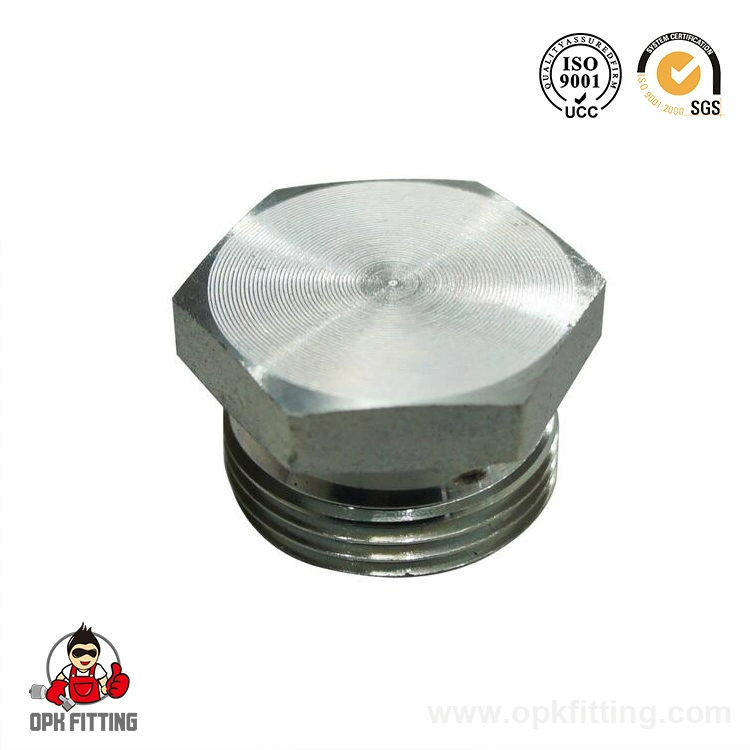
Product Description hydraulic adaptor metric male O-Ring flat sealing pipe fittings Material: Carbon Steel, Stainless Steel Surfac...
See Details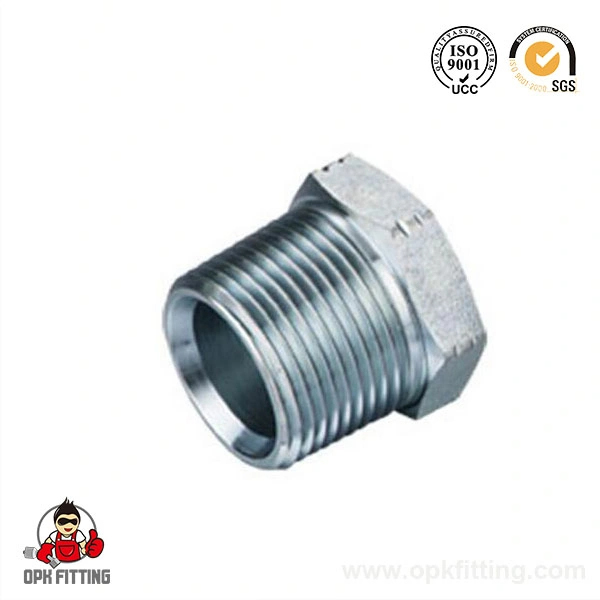
Product Description hydraulic adaptor metric male O-Ring flat sealing pipe fittings Material: Carbon Steel, Stainless Steel Surface Treatm...
See Details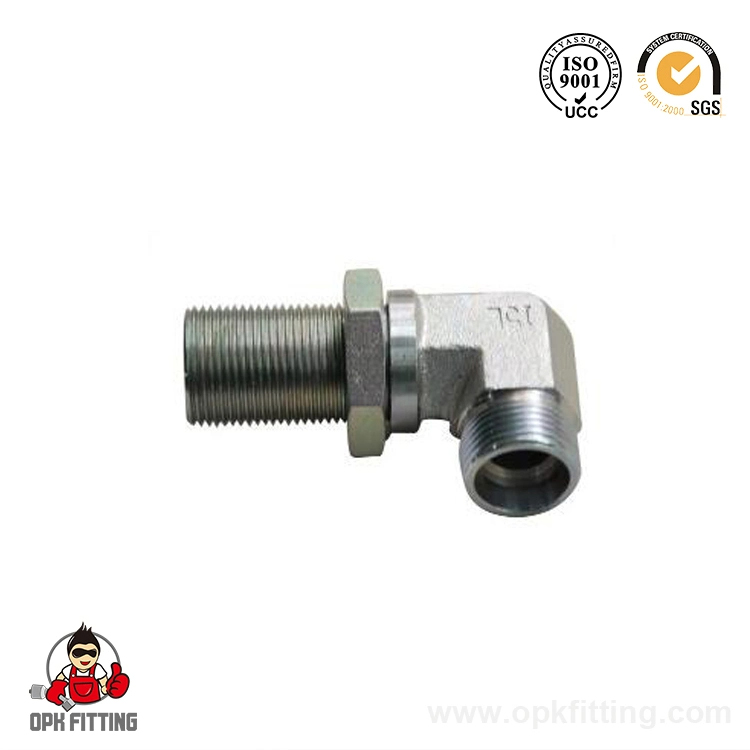
Product Description hydraulic adaptor metric male O-Ring flat sealing pipe fittings Material: Carbon Steel, Stainless Steel Surfac...
See Details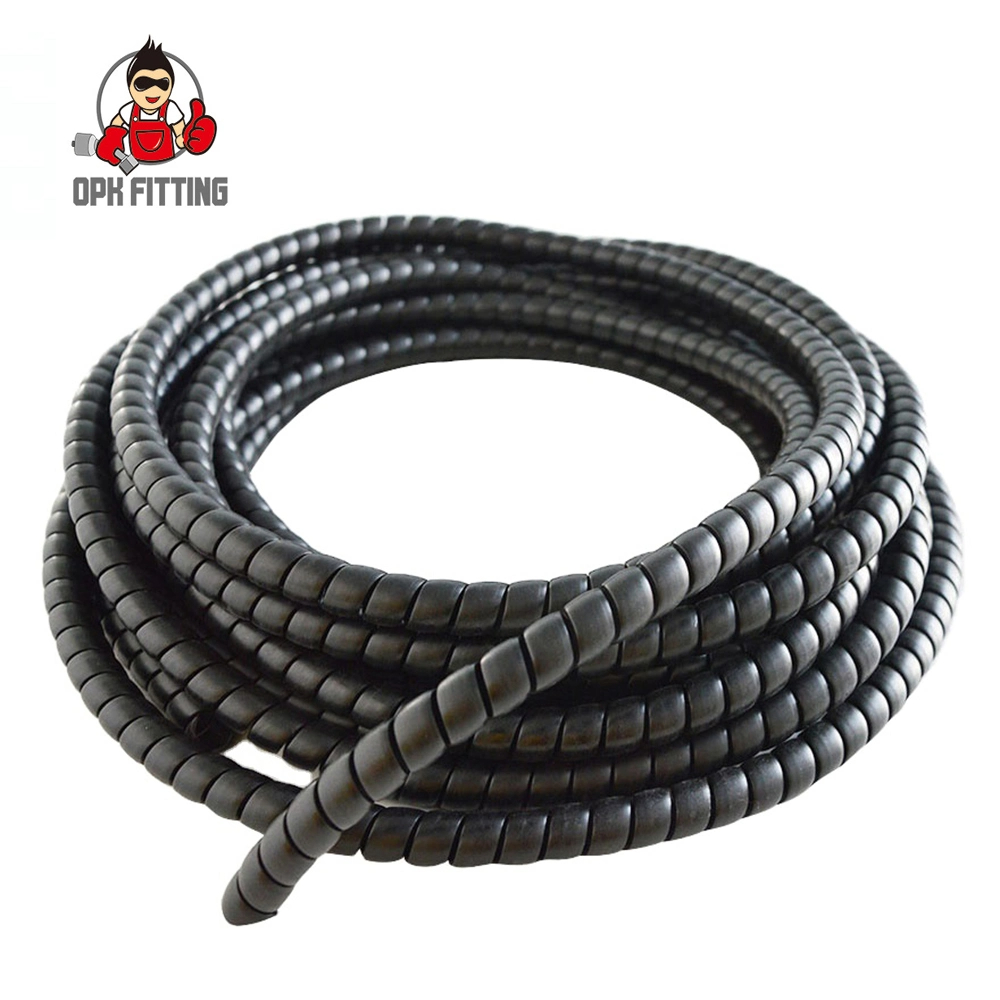
PRODUCT NAME: Spiral Protective Sleeve PP plastic hose guard for hydraulic hose Recommended For: The use of Spiral Guard Wrap is an economical...
See Details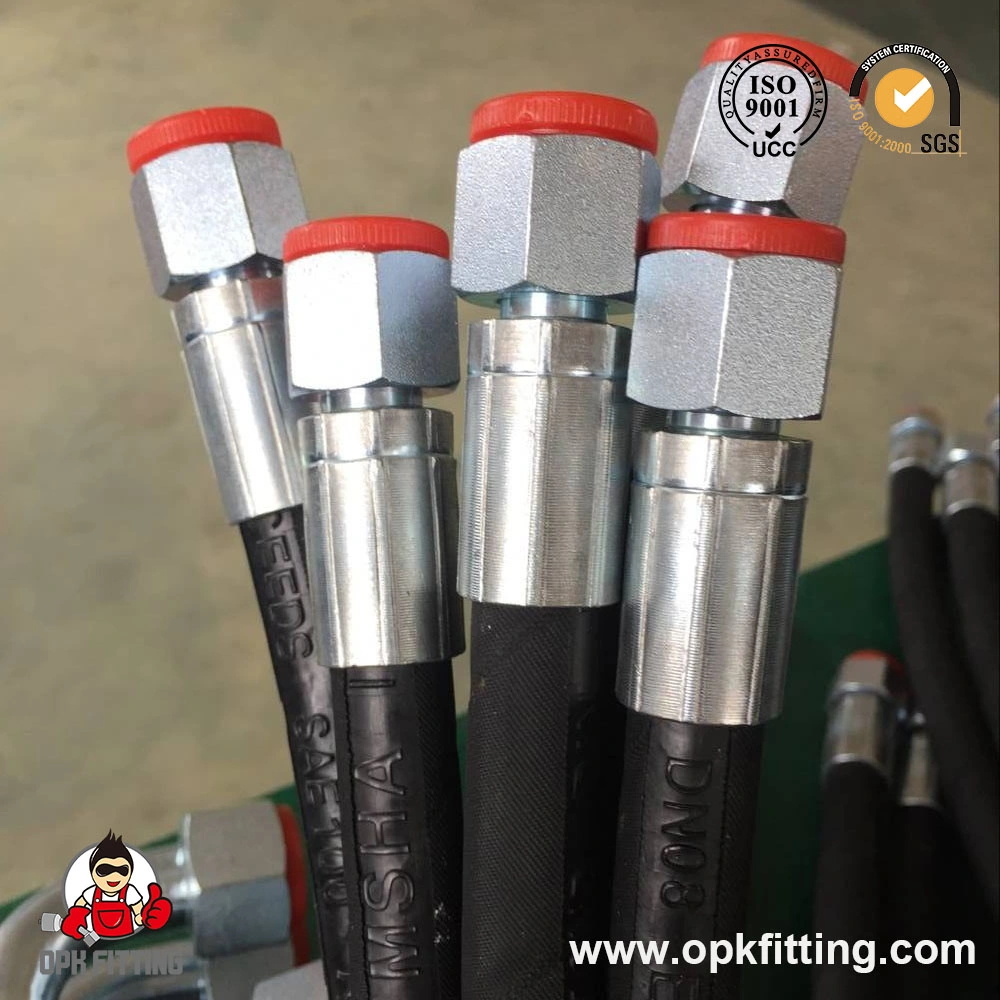
Inner tube: Thermoplastic Polyester Reinforcement: Two high-tenacity polyester braids reinforcement Cover: Oil and weather resistant syntheti...
See Details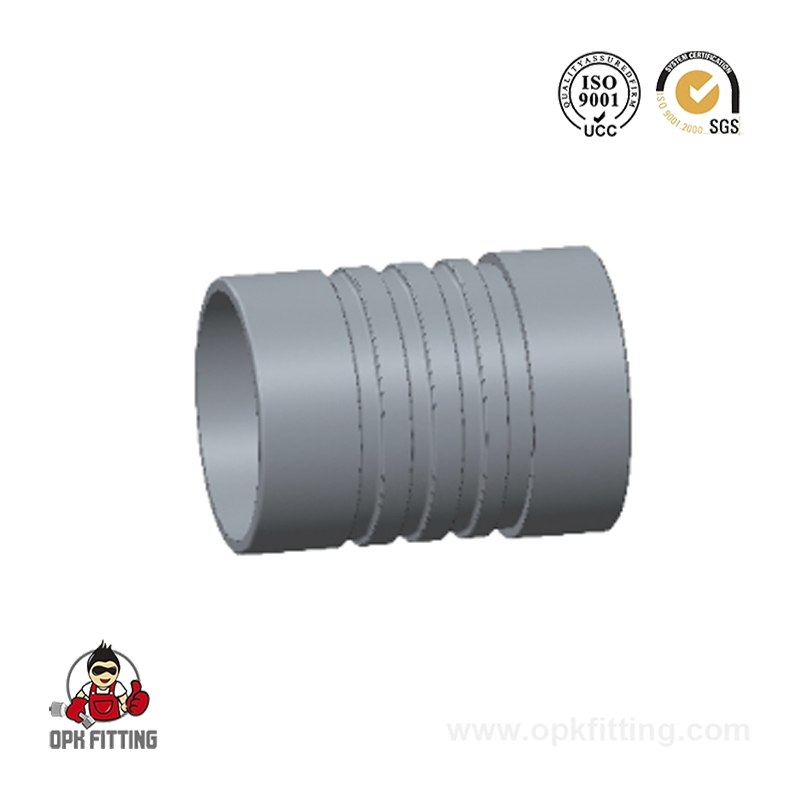
Description Of Products: 1. Raw Material: Carbon Steel & Stainless Steel available 2. Standard Plating: Trivalent Zinc Plating ( Cr3 / Chrome...
See Details

+86-18868902802


No. 298, Chenghai Road, Binhai New District, Fenghua Economic Development Zone, Fenghua District, Ningbo City, Zhejiang Province, China
কপিরাইট @ Ningbo Opk Fitting Co., Ltd. Hydraulic Hose Fittings Manufacturers OEM & Custom Adaptors Company
